
Holter Monitor
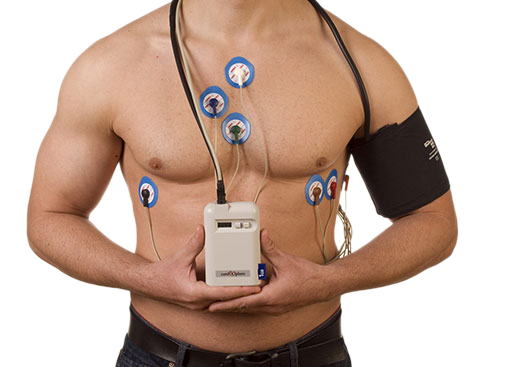
A Holter monitor is a portable, continuous ECG recording device that monitors a patient's heart activity—typically over 24 to 72 hours—to detect intermittent cardiac arrhythmias or ischemic changes that may not show up on a standard ECG.
Why It's Used:
To detect transient or episodic heart problems, especially when:
- Patient has palpitations, dizziness, syncope, or chest pain
- ECG is normal but symptoms persist
- Evaluating antiarrhythmic drugs or pacemaker effectiveness
- Monitoring silent ischemia in high-risk patients
How Holter Monitor Works
Continuous cardiac monitoring over extended period
Electrode Attachment
Small electrodes are attached to the chest
Continuous Recording
Wires connect to a battery-powered recorder worn on a belt or shoulder strap
24-72 Hour Monitoring
The device records every heartbeat continuously
Symptom Diary
Patient maintains a diary to correlate events with ECG findings
Why Holter Monitor Is Used
Comprehensive cardiac assessment for various conditions
Detecting Transient Heart Problems
Identifies intermittent cardiac arrhythmias that may not show on standard ECG
- Palpitations (heart flutters)
- Dizziness or lightheadedness
- Syncope (fainting episodes)
- Unexplained chest pain
When ECG is Normal
Used when symptoms persist despite normal standard ECG results
- Normal ECG but ongoing symptoms
- Episodic arrhythmias
- Intermittent heart irregularities
- Occasional cardiac events
Medication Effectiveness
Evaluating the effectiveness of antiarrhythmic drugs or pacemakers
- Antiarrhythmic drug monitoring
- Pacemaker function evaluation
- Treatment response assessment
- Medication adjustment needs
Silent Ischemia Monitoring
Monitoring for silent ischemia in high-risk patients
- High-risk cardiac patients
- Post-heart attack monitoring
- Coronary artery disease
- Asymptomatic ischemia detection
Advantages of Holter Monitoring
Extended cardiac monitoring with comprehensive data
Continuous Monitoring
Records every heartbeat for 24-72 hours
Normal Daily Activities
Worn during regular daily routine and activities
Portable & Comfortable
Small, lightweight device easy to wear
Symptom Correlation
Diary helps match symptoms to heart activity
Non-Invasive
No needles, injections, or surgery required
Comprehensive Data
Captures intermittent arrhythmias missed by standard ECG
Conditions Detected by Holter Monitor
Wide range of cardiac conditions identified
Patient Instructions
Important guidelines for accurate monitoring
Symptom Diary
The patient is advised to maintain a symptom diary to correlate events with ECG findings. This is crucial for accurate diagnosis.
Record the exact time of any symptoms, activities, medications, sleep/wake times, and any unusual events. This helps the cardiologist match your symptoms with heart activity patterns.
Your Holter Monitor Journey
From attachment to analysis
Device Attachment
Electrodes placed on chest
Instructions
Patient briefed on usage and diary
Monitoring Period
24-72 hours of continuous recording
Analysis
Cardiologist reviews data and diary
Frequently Asked Questions
Book Your Holter Monitor Test
24-72 hour continuous cardiac monitoring to detect intermittent arrhythmias